Introduction
Wound treatment is a basic facet of healthcare that can significantly affect individual end results. As we shift from class finding out to scientific technique, the value of sensible applications comes to be noticeable. The journey of changing academic knowledge right into scientific competence is vital for healthcare specialists, specifically nurses, that usually serve as the first line of protection in wound management.
In this extensive post, we discover the numerous measurements of basic wound care training and its useful applications in medical setups. Our conversation incorporates whatever from foundational concepts to specialized methods, guaranteeing that wound treatment experts are outfitted with the required abilities and knowledge. We will certainly dive deep into topics such as chronic wound care management, complex wound care strategies, and the duty of nursing in reliable wound treatment management.
Understanding Wound Treatment Specialist Training
What Is Wound Treatment Professional Training?
Wound treatment professional training encompasses an area of education that prepares medical care professionals to effectively take care of a selection of wounds. This specialized training equips individuals with the abilities needed to analyze, identify, and carry out treatment plans for clients experiencing acute and persistent wounds.
Why Is Wound Care Training Important?
The importance of wound care training can not be overstated. Properly educated experts can reduce problems related to injuries, improve healing times, and improve total client fulfillment. Additionally, effective injury monitoring decreases medical care expenses related to prolonged hospital remains and extra treatments.
Key Parts of Injury Treatment Expert Training
Assessment Techniques
- Learning just how to carry out complete assessments is vital. This consists of understanding the composition of skin layers and recognizing indicators of infection.
Treatment Modalities
- Different sorts of wounds call for details treatment approaches, consisting of dressings, topical agents, and progressed therapies.
Patient Education
- Teaching clients about their wounds enhances conformity with treatment regimens and promotes better wellness outcomes.
Multidisciplinary Approach
- Effective injury monitoring typically includes partnership among medical professionals across different specialties.
Basic Wound Care Training for Nurses
What Does Basic Wound Care Training for Nurses Involve?
Basic wound care training for nurses concentrates on outfitting them with crucial skills needed to supply first evaluation and ideal administration for clients' wounds.
Core Topics Covered in Fundamental Wound Care Training
- Anatomy & Physiology: Understanding skin framework is important for identifying normal recovery processes. Types of Wounds: Distinguishing between intense injuries (like cuts or abrasions) and persistent wounds (such as pressure abscess) is critical. Infection Control: Methods to prevent infections throughout clothing modifications are instructed rigorously. Dressing Selection: Picking suitable dressings based on wound type affects recovery effectiveness.
Wound Treatment Training Courses Available
Types of Wound Care Training Courses
Numerous courses are readily available for those seeking advanced understanding in wound administration:
Introductory Courses- Designed for newbies who require foundational knowledge.
- Focused on complicated instances needing specialized skills and knowledge.
- Many institutions offer on the internet modules that supply adaptability while keeping high educational standards.
Choosing the Right Course
When selecting a training course, take into consideration variables such as accreditation, program material importance, period, distribution method (online or in-person), and cost.

Nursing Wound Care Training: A Structure for Success
How Does Nursing Wound Care Training Prepare Professionals?
Nursing wound care training prepares required for clinicians to take care of various circumstances they may encounter in method effectively.
Importance of Continuous Education
With advancements in medical science constantly evolving best methods in wound administration, continuous education ensures that nurses stay skillful in new methods and technologies.
Practical Applications in Professional Settings

From Classroom to Facility: Practical Applications of Basic Wound Care Training
Transitioning from theoretical frameworks learned in class to real-world medical applications requires attentive practice and experience. For instance:
- Initial Client Assessment: Utilizing assessment tools learned throughout training assists registered nurses properly determine a patient's demands upon admission. Creating Treatment Plans: Recognizing various modalities enables registered nurses to make individualized therapy plans tailored particularly to each individual's unique situation. Monitoring Progress: Nurses can apply evaluation techniques found out throughout their training to keep an eye on healing properly while making modifications when required.
Chronic Wound Treatment Management
What Constitutes Chronic Wounds?
Chronic injuries are specified as injuries that fall short to progress with normal stages of healing because of underlying problems such as diabetic issues or venous insufficiency.
Challenges in Chronic Wound Management
Managing chronic wounds provides a number of challenges:
Identifying Hidden Causes Infection Prevention Strategies Implementing Advanced DressingsSuccessful monitoring requires both competent nursing techniques together with holistic person factors to consider-- addressing psychological wellbeing together with physical health and wellness concerns.
Complex Wound Care Strategies
What Are Complicated Wounds?
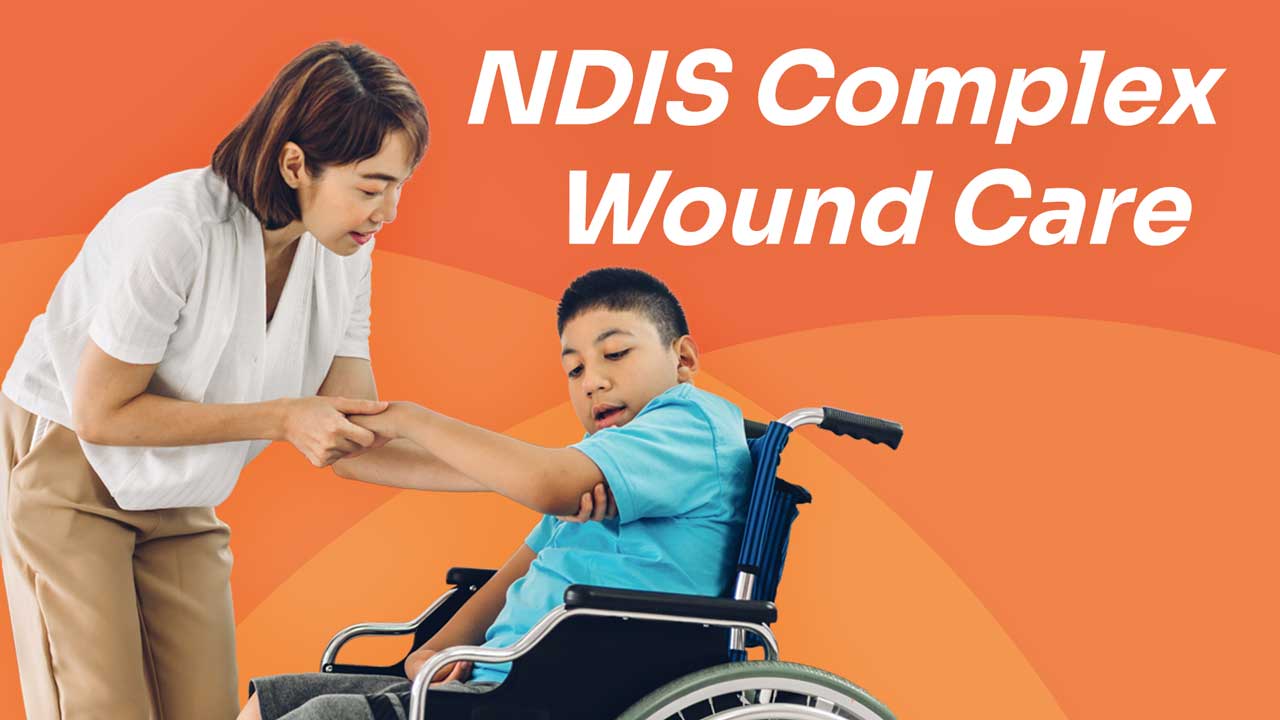
Complex injuries typically include comorbidities that make complex common treatment procedures-- instances include diabetic foot ulcers or surgical website infections following comprehensive surgeries.
Effective Techniques for Handling Complex Cases
Interdisciplinary Collaboration- Working together with doctors, dietitians, and physiotherapists can boost overall person outcomes.
- Techniques like negative pressure treatment or bioengineered skin alternatives might be presented based on private needs.
- Regularly taking another look at therapy strategies makes sure treatments stay reliable over time.
FAQs About Standard Injury Treatment Training
1. What Are Common Kinds Of Wounds?
Common kinds consist of abrasions, lacerations, slit wounds, surgical cuts, stress abscess (bedsores), diabetic person foot abscess, etc.
2. How much time Does It Take To Complete Standard Wound Treatment Training?
Most basic programs vary from someday to a number of weeks relying on the organization's curriculum framework but normally go for comprehensive protection within 20-- 40 hours overall instruction time split over several sessions or extensive formats.
3. Can I Get Online Accreditation For Basic Wound Care?
Yes! Many recognized institutions currently supply on the internet qualification courses customized specifically towards fundamental concepts surrounding reliable management methods made use of by healthcare providers today!
4. Is Postgraduate Work Required After Completing Initial Training?
Yes! Continuous education and learning plays an important duty within lots of healthcare careers-- it aids guarantee experts remain updated relating to emerging techniques related directly back towards improving client outcomes!
5. Just how Do I Know If My Existing Skills Suffice For Managing Complicated Cases?
Regular self-assessment combined together with feedback obtained from peers/mentors offers understandings regarding areas needing renovation-- participating in refresher courses periodically aids keep expertise fresh too!
6. Just How Can I Keep Updated On Breakthroughs In The Field Of Wound Management?
Engaging with professional companies focused around progressing methodologies/protocols within this specialized location together with subscribing journals connected straight back in the direction of appropriate advancements aids specialists greatly!
Conclusion
Navigating the journey from class finding out to professional practice requires commitment and dedication from health care experts involved in basic wound care training programs. By understanding vital parts underpinning effective executions-- whether via analyzing varied types/wounds precisely; using evidence-based strategies customized especially toward individual client requirements; prioritizing consistent education and learning chances available-- the makeover into competent experts becomes not simply possible but inevitable!
With continuous initiatives targeted at refining capacities even more-- health care workers will unquestionably enhance their functions supporting ideal wound care specialist training recovery paths while enhancing total quality-of-life experiences throughout populations served!