Introduction
Wound treatment is a critical aspect of nursing that requires specialized understanding and abilities. As health care remains to develop, the need for skillful wound treatment professionals has actually risen. This short article will explore the important components of nursing wound care training programs, examining what makes a reliable educational program and how it prepares registered nurses for real-world challenges in injury management. Whether you're aiming to come to be an injury care registered nurse or just enhance your existing abilities, understanding these elements is necessary for delivering premium individual care.

Essential Components of Nursing Wound Care Training Programs
Nursing wound care training programs are designed to gear up registered nurses with the necessary skills and knowledge required to effectively manage injuries. These programs differ in their material, yet they all share some fundamental components that make sure nurses can supply thorough injury care.
The Value of Wound Care Training for Nurses
Why is Injury Care Essential?
Wound treatment is not nearly cleaning a cut; it's a complex technique that includes understanding the body's recovery processes, infection control, and client education and learning. Correct training makes it possible for registered nurses to analyze wounds precisely and develop ideal therapy plans.
Additional resourcesWhat are Wound Care Specialist Training Programs?
Wound care expert training programs are specialized training courses made for medical care professionals who desire to strengthen their understanding of persistent and complex wound management. These programs generally cover innovative methods and approaches tailored particularly for those that intend to become licensed wound care specialists.
Key Discovering Objectives in Wound Care Training Courses
Understanding Anatomy and Physiology Related to Wounds
A solid foundation in makeup and physiology forms the foundation of any type of efficient wound care training program. Nurses need to understand skin layers, types of tissue involved in healing, and how various aspects impact wound healing.
Assessment Techniques for Efficient Wound Management
Assessment is important in injury management. Training has to include various evaluation strategies that include visual evaluation, palpation, and patient history gathering.
Basic Wound Care Training: An Essential Beginning Point
What Does Standard Injury Treatment Involve?
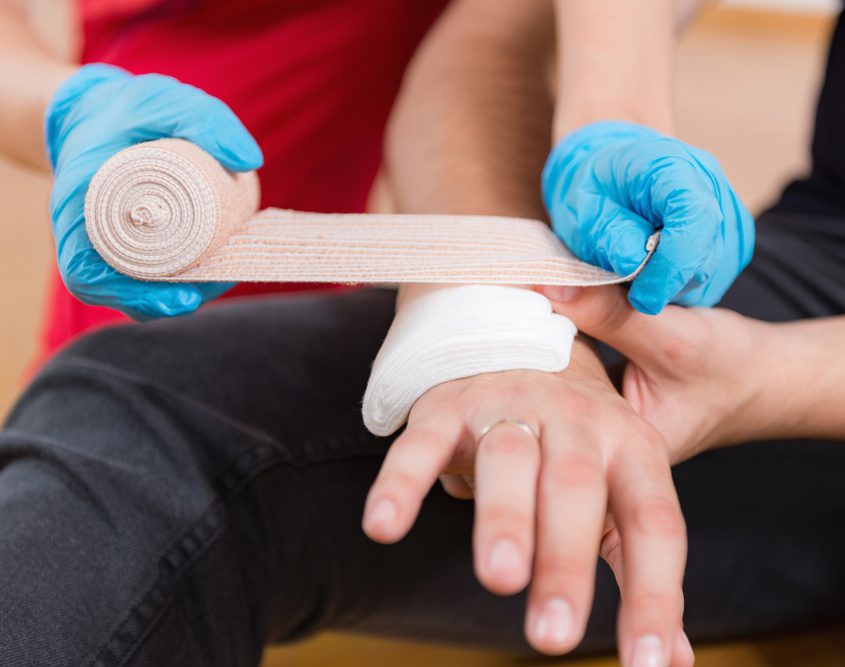
Basic injury care entails cleaning the wound, applying dressings, handling pain, and enlightening individuals on home treatment techniques. This fundamental understanding is important before progressing to much more complicated concepts.
Common Techniques Educated in Standard Injury Care Training
- Cleaning: Utilizing saline solutions or antiseptic agents. Dressing: Picking appropriate dressings based upon the type of wound. Monitoring: Frequently looking for indications of infection or complications.
Advanced Principles in Complex Wound Care Management
Differentiating Between Acute and Persistent Wounds
Understanding the differences in between acute and persistent wounds plays an important duty in determining therapy techniques. Acute wounds recover swiftly while persistent wounds require recurring administration strategies.
Treatment Techniques for Persistent Wounds
Chronic injuries might necessitate innovative treatments such as negative stress treatment, bioengineered skin substitutes, or hyperbaric oxygen treatment. Comprehensive training ought to consist of these techniques for efficient management.
Integrating Evidence-Based Practice in Injury Care Management
What is Evidence-Based Practice?
Evidence-based practice (EBP) refers to making medical decisions based on the best available research study evidence integrated with scientific expertise and person preferences.
How EBP Boosts Client Outcomes
Implementing EBP results in improved client end results by ensuring that treatments are based in scientific study instead of outdated techniques or anecdotal experiences.
NDIS Wound Care: A Specialized Approach
Overview of NDIS (National Handicap Insurance Plan)
The NDIS sustains people with disabilities, consisting of those calling for specialized injury care services. Nurses should know with this structure when supplying treatment under its auspices.
Tailoring Wound Care for NDIS Participants
Training ought to include methods for tailoring injury monitoring prepares details to NDIS participants' needs, considering their distinct scenarios and challenges.
Patient Education and learning: Equipping People Through Knowledge
Why Client Education and learning Matters?
Educating patients regarding their wounds empowers them to take an active function in their recovery procedure. It also decreases anxiousness related to therapy procedures.
Key Subjects Covered in Individual Education
- Wound Hygiene: Relevance of keeping wounds clean. Signs of Infection: Informing patients about signs and symptoms that necessitate clinical attention. Lifestyle Factors: Talking about nutrition and lifestyle modifications that advertise healing.
Interdisciplinary Cooperation in Injury Care Management
Benefits of Teamwork Among Health Care Professionals
Collaboration amongst numerous health care experts-- medical professionals, physiotherapists, dietitians-- enhances detailed client care by integrating varied competence right into therapy plans.

How Interdisciplinary Approaches Are Taught
Training programs often consist of components on communication techniques and teamwork principles crucial for reliable interdisciplinary collaboration.
Innovations in Innovation Within Nursing Wound Care Training Programs
The Role of Modern technology in Modern Healthcare
Technological improvements have changed many facets of healthcare, including wound assessment devices like electronic imaging systems that facilitate accurate evaluations.
Incorporating Innovation into Educating Curricula
Training programs ought to familiarize nurses with existing technologies made use of in injury analysis and monitoring so they can make use of these tools properly upon certification.
Certification Choices Offered Complying with Conclusion of Nursing Wound Care Training Programs
Importance of Certification
Certification as a wound care specialist establishes reliability among peers and patients alike while supplying opportunities for job advancement within this specialized field.
FAQs Regarding Nursing Wound Care Training Programs
What are the requirements for enlisting in nursing wound treatment training?- Most programs call for candidates to have an active nursing certificate along with some scientific experience.
- Duration varies by program yet normally ranges from numerous weeks to a couple of months relying on whether it's standard or innovative training.
- Yes, continuous education and learning is often needed to keep certification standing as new methods arise regularly.
- Absolutely! Many establishments provide on the internet modules allowing flexibility while acquiring required skills.
- Assessments might include functional demonstrations, composed exams covering theory expertise, along with situation studies.
- Yes! Numerous scholarships and grants might be offered via universities or specialist organizations concentrated on nursing education.
Conclusion
In verdict, comprehending the vital elements of nursing wound care training programs is essential not just for aiming registered nurses yet also those currently practicing that intend to enhance their skills even more. With proper education and learning rooted in evidence-based practice alongside technological innovations, nurses can substantially influence person outcomes via reliable chronic wound monitoring techniques. By understanding both basic concepts like standard hygiene techniques along with sophisticated techniques connected with intricate instances-- nurses will undoubtedly boost standards within medical care settings while promoting better healing trips for their patients.